




Companies invest heavily in their digital channels, but far less attention is paid to how their brand experience translates in the physical world.
Website. Campaigns. Social. Email. Paid media. That focus makes sense. Digital touchpoints are measurable, scalable and constantly optimized.
But when the experience shifts from digital to physical, that same level of intention around the brand experience often disappears.
The Problem Isn’t The Product. It’s The Thinking.
The issue isn’t whether companies are using branded merch. It’s how they are managing it.
Merch is too often managed in silos. Marketing owns one piece. Events owns another. HR handles onboarding. Sales sources items for prospects and clients. Each team makes decisions based on immediate needs, often with different partners and priorities.
Every team is doing something. No one is connecting it.
The result is a fragmented brand experience.
Treat It Like A Channel, Not An Add-On
The shift is simple. It just requires intention.
Stop thinking about branded merch as a promo closet and start treating it as a core brand experience channel.
Channels are intentional. They are planned. They are measured. And most importantly, they are connected to outcomes.
When merch is approached this way, it stops being thought of as an add-on and starts becoming a way to reinforce brand at key moments that matter.
Here are three ways to start making that shift in practice.
1. Design For The Moment, Not The Item
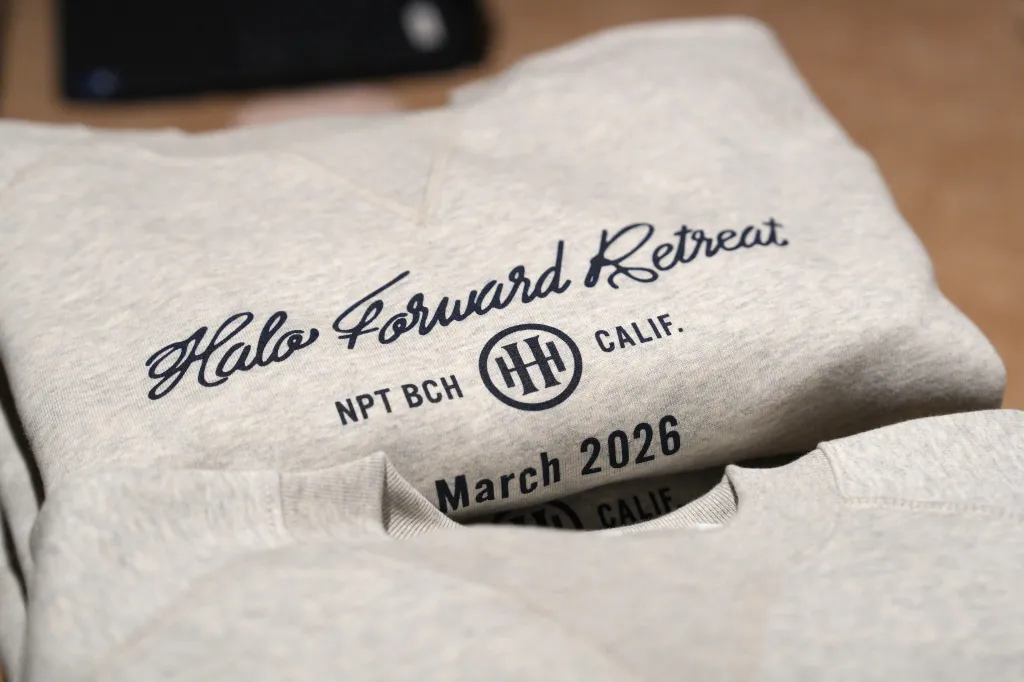
Too often, the conversation starts with the product.
What should we give away? What is trending? What fits the budget?
A better question is what the moment is supposed to accomplish.
Is it onboarding a new employee and shaping the employee experience? Strengthening a client relationship and influencing the customer experience?
The companies that get this right are not just handing something out. They are designing an experience around a moment.
An onboarding kit that reinforces culture from day one.
An event giveaway that extends the brand beyond the booth.
A client send that keeps the conversation going after the meeting ends.
When you start with the moment, the product becomes a supporting element. The experience becomes more intentional, and the brand shows up with purpose.
2. Connect Experiences Across Touchpoints
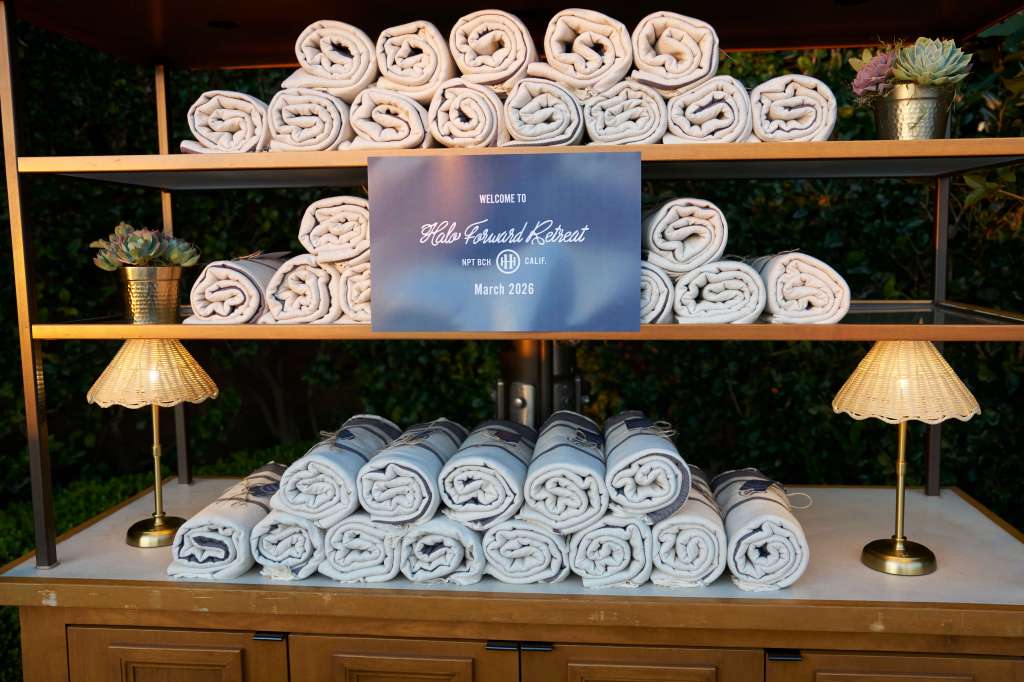
One of the biggest missed opportunities is the lack of continuity.
An event happens. People leave with something in hand. And then nothing.
There is no connection to what comes next. No reinforcement of the message. No extension of the experience.
The organizations that get this right think beyond a single interaction and focus on creating a connected brand experience across touchpoints. They connect moments across the lifecycle so the brand feels consistent, not coincidental.
An event leads into a follow up.
A follow up ties into a broader campaign.
An employee experience mirrors what customers see externally.
That is where branded merch starts to compound as part of a broader brand experience strategy.
3. Build For Consistency At Scale
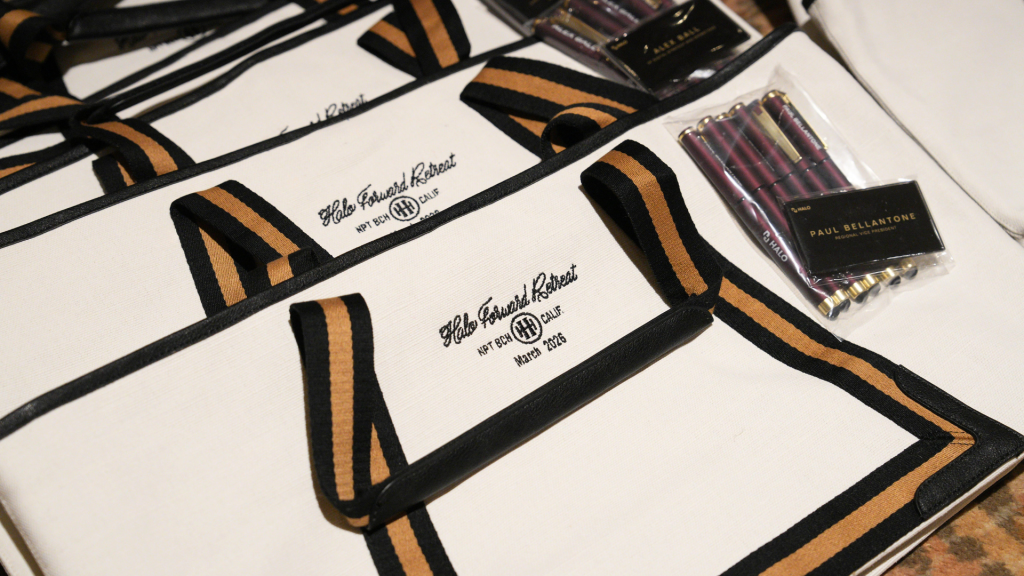
Consistency is where most companies break, especially when trying to maintain a consistent brand experience across teams and touchpoints.
It is easy to create a strong one off experience. It is much harder to deliver that same level of quality across teams, regions and use cases.
Without a system, decisions become decentralized. Quality varies. Brand standards slip. Costs increase. The experience becomes unpredictable.
The companies that see the most impact put structure around how merch is selected, designed and distributed. Not to limit creativity, but to ensure every touchpoint reinforces the same brand experience.
This is where many organizations struggle. Not because they lack ideas, but because they lack alignment across teams, partners and execution.
Where Branded Merch Delivers
It’s not about handing out more items. It’s about creating more connected experiences.
What people take with them isn’t just an item.
It’s an impression of the brand that reinforces the experience long after the moment has passed.
And unlike most digital interactions, that impression tends to stick around a lot longer.
Seeing merch as a brand channel is one thing. Making it consistent across teams is another. If you’re working through that, we can help.